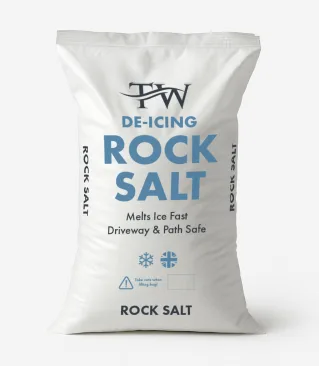
Rock salt is one of the most effective and widely used materials for keeping roads, driveways, and pathways clear of ice during winter. But how does salt actually melt ice? The process involves chemistry, temperature, and water — all working together to reduce freezing and improve safety.
This article explains the science of de-icing, and why rock salt (whether white or brown) is such a reliable solution in cold weather.
⚙️ The Chemistry: Lowering the Freezing Point of Water
Pure water freezes at 0°C (32°F). When salt (sodium chloride, NaCl) is added, it lowers the freezing point of water — a process known as freezing point depression.
Here’s what happens:
- As ice begins to form, a thin layer of liquid water exists on its surface.
- Salt dissolves into this thin layer, creating a saltwater solution (brine).
- This brine has a lower freezing point than pure water, meaning it won’t refreeze until it reaches a lower temperature.
- As more ice melts into the brine, the process continues, breaking down the ice layer.
In simple terms: salt prevents ice from forming and helps melt existing ice by disrupting the freezing process.
🌡️ Temperature Limits
While rock salt is highly effective, it has limits based on temperature:
- Effective Range: Down to around –6°C
- Reduced Effectiveness: Below –7°C, the brine may freeze again, slowing the melting process.
- In extremely low temperatures, specialist de-icers (such as calcium chloride) may be needed.
🧂 Types of Rock Salt and Their Roles
⚪ White Rock Salt
- High-purity salt, minimal residue
- Best suited for public walkways, entrances, and decorative areas
- Melts ice efficiently while keeping surfaces clean
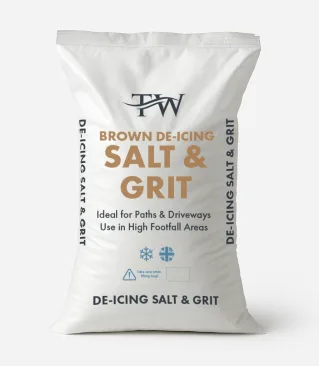
🟤 Brown Rock Salt (Grit)
- Contains small clay content for visibility
- Ideal for roads, car parks, and large outdoor surfaces
- Cost-effective and provides extra traction
Both types rely on the same chemical principle — lowering the freezing point — but offer different advantages depending on the surface and environment.
💧 Why Moisture Matters
Salt only works in the presence of moisture. It must dissolve to create the brine solution that melts ice.
That’s why:
- Pre-treating before frost is ideal — natural moisture in the air activates the salt.
- In very dry, freezing conditions, adding a small amount of water can help initiate the melting process.
🔄 Preventing Refreezing
Once the brine forms, it also acts as a protective barrier. If temperatures drop again, the salty solution resists freezing, helping prevent refreezing and reducing black ice formation.
This is why salt is not just for clearing ice — it’s also used proactively to keep surfaces safe before frost forms.
By understanding the science behind how salt melts ice, you can apply it more effectively — ensuring roads, driveways, and walkways remain safe, accessible, and ice-free throughout the winter.